Katie Porter explains the “American Rescue Plan.” It’s 33+ minutes and the sound isn’t that great…but it does have CC and it’s Katie Porter. Maybe bookmark it.
Damage Report – Here’s what actually happened. The senate voted Friday to move her nomination to the full Senate, and the actual confirmation is expected on Monday.
Senator Sheldon Whitehuse on judges. (or on Lawrence O’Donnell about judges.) Important, because mostly overlooked.
Armageddon Update – I think Titus is correct as far as he goes. But I would have named Philip first (and Camilla third.)
VoteVets on Tfucker Carlson
Beau on Tfucker Carlson (pity he doesn’t have a mechanism to flip his hat patch in the middle of a video. That would be something to see.
It’s a crazy day here in the CatBox. WWWendy and I celebrated my birthday yesterday, and I slept as much as I could… not nearly enough. I think my radius was insufficient for the pi I tried to eat for dessert. And my pi R round. Have a wonderful day!
Jig Zone Puzzle:
Today’s took me 4:45 (average 5:38). To do it, click here. How did you do?
Cartoon:
Did You Forget?:
Short Take:
From YouTube (a blast from the past): Rolling Stones – Angie (HQ)
Well, it will be a LONG time before I use photos in a GIF that really require captions for clarity.
It wasn’t that terribly hard to find out how and teach myself, but the process is slow, tedious and boring!
When I learned that Pres. Biden was going to address the nation last Thursday, marking the one-year anniversary of our lockdown, I decided I would do a “photo essay” type of post.
But since it’s been a top story for over a year, I wanted to try to find some photos we haven’t all seen dozens of times – which was a challenge.
And then I wasn’t sure how to categorize them into sections since they obviously all had an underlying common thread. So there’s some overlap between the different GIFs.
No doubt a common impact of COVID here and around the world is that it’s made our lives much more insular and lonelier.
Of course it’s had a profound impact on the medical community
And its repercussions on individuals, families, friends, institutions and government will cause ripples for years and years to come.
I will close with a photo I’m sure we’ve all probably seen, but if I had to pick just one iconic photo representative our lives in the time of COVID, it’d be this:
Here’s something nice: Senator Martin Heimrich (D-NM) speaking in favor of the nomination of Representative Deb Haaland (D-NM) to head the Interior Department.
Congresswoman Haaland has lived experience–as a single mother, as a small business owner, and as a Tribal administrator–that will serve her well and bring real representation to President Biden’s Cabinet. As many have noted, Congresswoman Haaland will also make history as the first-ever Native American Cabinet secretary, something that frankly should have happened a long, long time ago. Deb is uniquely qualified to restore the Department of Interior’s nation-to-nation relationship to Tribal Nations and to help Indian Country recover and rebuild from COVID-19.
This was Thursday. Under 7 minutes and – professional – and personal.
Also Thursday. To quote “Mineral Man at Democratic Underground, “This Is How a Real President Signs a Bill. Maybe the most important one so far. No crowd of grinning assholes behind you. No holding up something to show your illegible signature. You say a few words, sign the bill, and go back to work.”
All the REAL former presidents make a PSA for vaccines.
Beau – The founding fathers (viz. Washington) and quarantine
Experts in autocracies have pointed out that it is, unfortunately, easy to slip into normalizing the tyrant, hence it is important to hang on to outrage. These incidents which seem to call for the efforts of the Greek Furies (Erinyes) to come and deal with them will, I hope, help with that. As a reminder, though no one really knows how many there were supposed to be, the three names we have are Alecto, Megaera, and Tisiphone. These roughly translate as “unceasing,” “grudging,” and “vengeful destruction.”
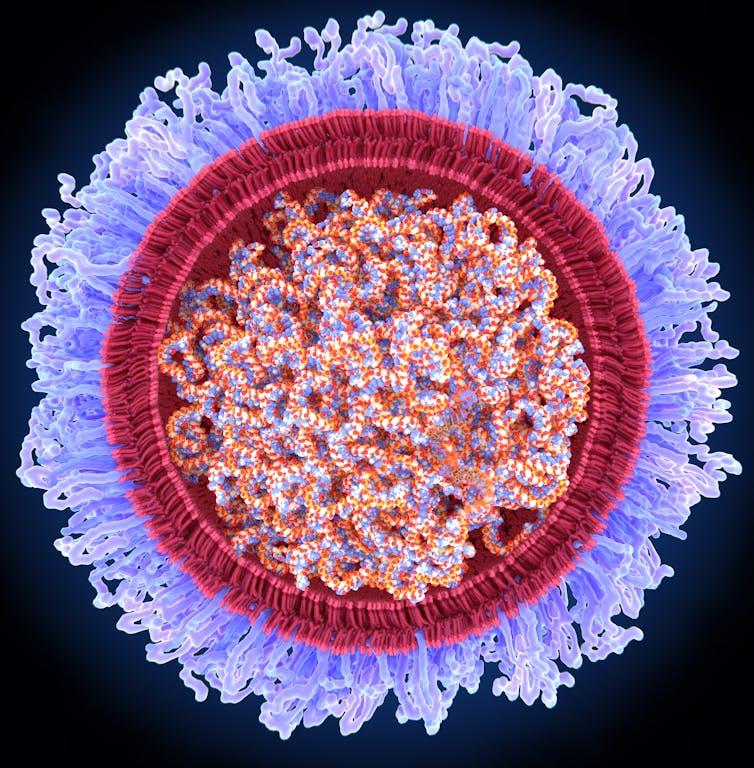
on this day I just cannot bring myself to put up anything negative. So I am sharing a lemons-to-lemonade story about how the CoViD pandemic resulted in ad viance which will go on being useful way after the pandemic is over. I am 75, and I have in my lifetime seen numerous medical advances which felt miraculous. But I have also seen many more years of waiting for them. To be talking now in terms , not of years, but of months, for a vaccine against a disease which somehow came out of nowhere is truly amazing. And with virtually every such advance come unsought advances. That is what we are going to look at today.
================================================================
3 medical innovations fueled by COVID-19 that will outlast the pandemic
A number of technologies and tools got a chance to prove themselves for the first time in the context of COVID-19. Three researchers working in gene-based vaccines, wearable diagnostics and drug discovery explain how their work rose to the challenge of the pandemic, and their hopes that each technology is now poised to continue making big changes in medicine.
Genetic vaccines
Deborah Fuller, Professor of Microbiology, University of Washington
Thirty years ago, researchers for the first time injected mice with genes from a foreign pathogen to produce an immune response. Like many new discoveries, these first gene-based vaccines had their ups and downs. Early mRNA vaccines were hard to store and didn’t produce the right type of immunity. DNA vaccines were more stable but weren’t efficient at getting into the cell’s nucleus, so they failed to produce sufficient immunity.
When COVID-19 struck, mRNA vaccines in particular were ready to be put to a real-world test. The 94% efficacy of the mRNA vaccines surpassed health officials’ highest expectations.
DNA and mRNA vaccines offer huge advantages over traditional types of vaccines, since they use only genetic code from a pathogen – rather than the entire virus or bacteria. Traditional vaccines take months, if not years, to develop. In contrast, once scientists get the genetic sequence of a new pathogen, they can design a DNA or mRNA vaccine in days, identify a lead candidate for clinical trials within weeks and have millions of doses manufactured within months. This is basically what happened with the coronavirus.
Gene-based vaccines also produce precise and effective immune responses. They stimulate not only antibodies that block an infection, but also a strong T cell response that can clear an infection if one occurs. This makes these vaccines better able to respond to mutations, and it also means they could be capable of eliminating chronic infections or cancerous cells.
The hopes that gene-based vaccines could one day provide a vaccine for malaria or HIV, cure cancer, replace less effective traditional vaccines or be ready to stop the next pandemic before it gets started are no longer far-fetched. Indeed, many DNA and mRNA vaccines against a wide range of infectious diseases, for treatment of chronic infections and for cancer are already in advanced stages and clinical trials. As someone who has been working on these vaccines for decades, I believe their proven effectiveness against COVID-19 will usher in a new era of vaccinology with genetic vaccines at the forefront.
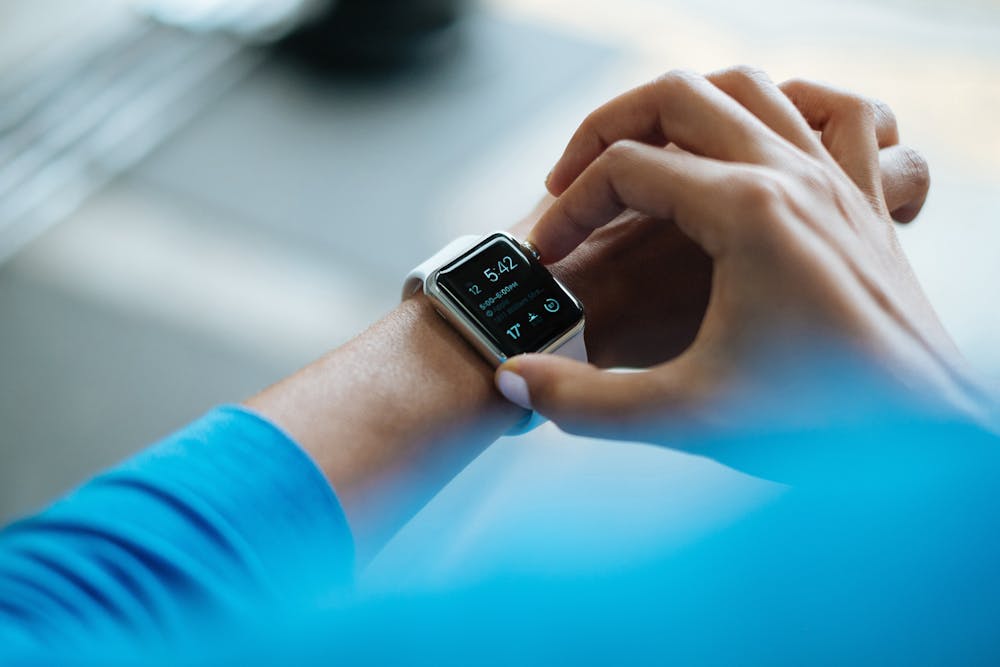
Smartwatches and other wearable technologies allow users to capture more continuous health data than ever before. Pixabay
Wearable tech and early illness detection
Albert H. Titus, Professor of Biomedical Engineering, University at Buffalo
During the pandemic, researchers have taken full advantage of the proliferation of smartwatches, smart rings and other wearable health and wellness technology. These devices can measure a person’s temperature, heart rate, level of activity and other biometrics. With this information, researchers have been able to track and detect COVID-19 infections even before people notice they have any symptoms.
As wearable usage and adoption grew in recent years, researchers began studying the ability of these devices to monitor disease. However, although real-time data collection was possible, previous work had focused primarily on chronic diseases.
But the pandemic both served as a lens to focus many researchers in the field of health wearables and offered them an unprecedented opportunity to study real-time infectious disease detection. The number of people potentially affected by a single disease – COVID-19 – at one time gave researchers a large population to draw from and to test hypotheses on. Combined with the fact that more people than ever are using wearables with health monitoring functions and that these devices collect lots of useful data, researchers were able to try to diagnose a disease solely using data from wearables – an experiment they could only dream of before.
Wearables can detect symptoms of COVID-19 or other illnesses before symptoms are noticeable. While they have proved to be capable of detecting sickness early, the symptoms wearables detect are not unique to COVID-19. These symptoms can be predictive of a number of potential illnesses or other health changes, and it is much harder to say what illness a person has versus simply saying they are sick with something.
Moving into the post-pandemic world, it’s likely that more people will incorporate wearables into their lives and that the devices will only improve. I expect the knowledge researchers have gained during the pandemic on how to use wearables to monitor health will form a starting point for how to handle future outbreaks – not just of viral pandemics, but potentially of other events such as food poisoning outbreaks and seasonal flu episodes. But since wearable tech is concentrated within pockets of affluent and younger populations, the research community and society as a whole must simultaneously address the disparities that exist.
Nevan Krogan, Professor of Cellular Molecular Pharmacology and Director of the Quantitative Biosciences Institute, University of California, San Francisco
Proteins are the molecular machines that make your cells function. When proteins malfunction or are hijacked by a pathogen, you often get disease. Most drugs work by disrupting the action of one or several of these malfunctioning or hijacked proteins. So a logical way to look for new drugs to treat a specific disease is to study individual genes and proteins that are directly affected by that disease. For example, researchers know that the BRCA gene – a gene that protects your DNA from being damaged – is closely related to the development of breast and ovarian cancer. So a lot of work has focused on finding drugs that affect the function of the BRCA protein.
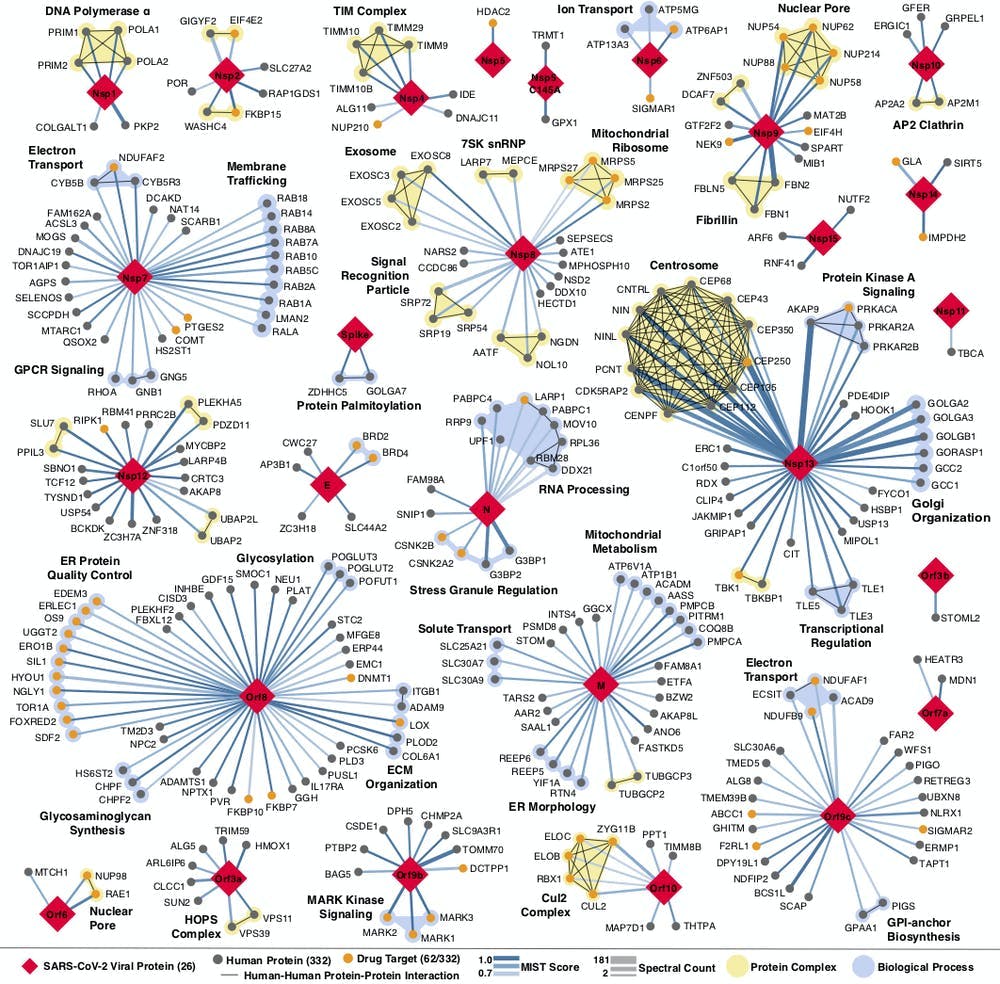
However, single proteins working in isolation are usually not solely responsible for disease. Genes and the proteins they encode are part of complicated networks – the BRCA protein interacts with tens to hundreds of other proteins that help it perform its cellular functions. My colleagues and I are part of a small but growing field of researchers who study these connections and interactions among proteins – what we call protein networks.
For a few years now, my colleagues and I have been exploring the potential of these networks to find more ways drugs could ameliorate disease. When the coronavirus pandemic hit, we knew we had to try this approach and see if it could be used to rapidly find a treatment for this emerging threat. We immediately started mapping the extensive network of human proteins that SARS-CoV-2 hijacks so it can replicate.
Once we built this map, we pinpointed human proteins in the network that drugs could easily target. We found 69 compounds that influence the proteins in the coronavirus network. 29 of them are already FDA-approved treatments for other illnesses. On Jan. 25 we published a paper showing that one of the drugs, Aplidin (Plitidepsin), currently being used to treat cancer, is 27.5 times more potent than remdesivir in treating COVID-19, including one of the new variants The drug has been approved for phase 3 clinical trials in 12 countries as a treatment for the new coronavirus.
But this idea of mapping the protein interactions of diseases to look for novel drug targets doesn’t apply just to the coronavirus. We have now used this approach on other pathogens as well as other diseases including cancer, neurodegenerative and psychiatric disorders.
These maps are allowing us to connect the dots among many seemingly disparate aspects of single diseases and discover new ways drugs could treat them. We hope this approach will allow us and researchers in other areas of medicine to discover new therapeutic strategies and also see whether any old drugs might be repurposed to treat other conditions.
================================================================
AMT, just take the day (and the week) off. Dance if you like. Here’s some dance music just for you –
(We mere humans can put it into another tab or window to listen if the picture going up and down makes us dizzy.)
“Las Mañanitas” is a traditional Mexican birthday song written by Mexican composer Alfonso Esparza Oteo. It is widely popular in Mexico and other Latin American countries at birthday parties, usually early in the morning to awaken the birthday person.
Since an aubade is “a poem or piece of music appropriate to the dawn or early morning,” Las Mañanitas is an aubade. I learned it in Japan myself. All over the world it is used as a part of the “Cursillo” retreat, when everyone in the neighborhood who has ever “made” a Cursillo gathers on the final morning to awaken those who are just making theirs, with song.
I tried to schedule this so that you, TomCat, would see it soon after awakening, though “the first thing” is probably not possible.